

8·
8 hours agoIME, code projects either die or live long enough that you think of a better name for them long after a name change becomes not worth the effort. Naming things is hard 🤷♂️
IME, code projects either die or live long enough that you think of a better name for them long after a name change becomes not worth the effort. Naming things is hard 🤷♂️
Yet Another Discord Alternative would be a better name than Harmony.

That’s not really new, or unique to AI. The whole “field” of eugenics was created to give racism the mantle of scientific legitimacy. People will pick through a haystack of data to find a needle that supports (however tenuously) whatever they want to be true. LLMs are just a more convenient way to find or invent those needles.
I still think you’re mistaking the murder weapon for the murderer. AI is just a program, it can be used for whatever purpose the mind can devise. If someone uses an airplane to traffic children, I don’t think a reasonable response is to say that airplanes are child traffickers.
Also I don’t mean “live with” to imply a surrender to how other people (including fascists) use AI. We should do everything in our power to build the world we want to live in, and that means dismantling the power structures of those who abuse them. I mean accepting that AI tools exist and then planning from there. Wishing that they had never been invented is a perfectly fine thing to do, they are something of a headache at the moment, but they’re here and can’t be un-invented. We can either find a comfortable existence in this reality and strive for that (perhaps by limiting their use), or resign ourselves to the doom we find ourselves in.
Now that you mention it, I see that it’s pretty blatantly slop parody. You got me – with the emojis , the em dashes, and most especially the lists of comma phrases that don’t really add to the text, I was sure that this was LLM spam 😅
Well played 🎯
AI isn’t fascism, it’s a tool. Fascists use art in their propaganda, does that make art fascist? No. Fascism doesn’t create, it just corrupts. The problem we have, that we have always had, is with people, not the tools they use. The tools may be terrifying in their hands, but we can’t just wish them gone any more than we can wish nuclear weapons away. We have to figure out how to live with them.
Well, now I’m curious as well. If I only kind of have to pee, like I just noticed it, it feels entirely voluntary to hold it, but if I really have to pee, it does feel like one one part of my brain is sending “pee now” signals that another part of my brain, the conscious decision-making part, has to fight against, which makes me think they have to get involved in the decision somehow. Maybe that physical motor control fight just is how those two parts of the brain mediate each other. Neat.
This just in: New evidence suggests some people think before making a decision? We’ll tell you what this means for your weekend at 11.
For all y’all on here saying you have no survival skills: computers and electronics aren’t going to just go away, and the fact that you’re having this conversation on a federated internet forum means you know at least a little bit more about computers than your average bear. For any scenario where extinction is a possibility, being able to operate a computer and use it to communicate with other humans would be a huge asset, and the more of those people we have around the easier it’ll be to keep it going when things go to hell. Don’t sell yourself short.
They are literally part of the medium.
In my experience, people who live with people who use information for abuse learn to protect information as a first course of action, because it’s hard to predict what information might be dangerous to share. In extreme cases, the only safe opinion to express is that of whoever’s in charge. It can be hard to tell what information can be safely expressed, which I think can make people quick to flatter or agree if they don’t feel safe. It may be that you feel safe to express thoughts about the boss to their face, but they didn’t. It’s a cultural divide I’ve seen both sides of. I’ve worked with people who clearly did not feel comfortable criticizing me even after I encouraged honesty, because they had had bosses before who had said the same thing and abused the privilege of trust. I have also worked with people I did not trust with certain information and I withheld it, even after discussing the matter with peers. I think the things said in confidence can sometimes be harmful and deserve to be rebutted the same as when they’re said in public, but the existence of those things doesn’t make confidential conversation per se bad.
Beyond a certain level of apocalypse we will probably need traveling network engineers, people who are willing to make the difficult journey between human habitats in order to repair and maintain network equipment.
I’ll offer a defense of gossip. I think it’s important to be able to discuss people, especially people with authority, without those people being able to dictate the rules of the conversation. If certain topics are taboo unless the conversations are had with all parties, it gives people with power a lot of influence over how the conversation happens and if it happens at all. Gossip is how unions are started, how abusive preachers are ousted (sometimes), how people learn about and get the help they need, help that the authorities in their lives have decided, for whatever reason, they can’t have.
I also think it’s a venue for misinformation and I have my own beliefs about which conversations are better had if they include everybody (or me), but I don’t think it’s for me or anyone to just declare certain conversations or topics off limits.
Figure out how to grow food in the current climate, feed and shelter those I can, try to keep the free internet working so we can help each other out.
For example, I don’t think I’d ever considered venting as a form of verbal journaling, but that’s kind of what it is. At least, there are some interesting similarities. I don’t know if that would have occurred to me that way if I hadn’t written my thoughts on the matter out.
I can’t think of a subject that I categorically dislike talking about. My dislike for conversation usually has more to do with the attitudes of the people I’m having the conversations with. Conversation requires at least a minimal agreement to take what your conversational partner says into account, otherwise it’s more of a lecture. Lots of arguments are people who have already convinced themselves of their rightness lecturing at each other, and it tends to be a repetitive recycling of old points and counterpoints. Pretty boring, rhetorically.
It can be useful to deliver a lecture, especially if it’s invited. That’s basically what venting is. I grew up being taught that if I didn’t have anything constructive to say I should just keep it to myself, and that’s still a position I find myself defaulting to, but it can be helpful to try to frame the petty grievances of daily life into words, especially if you have a sympathetic and willing audience. I don’t have a specific example to share that doesn’t reveal too much about my personal life, but I’ll just say that the insights that come from venting were surprising. I think the act of putting thoughts into words can make it easier to think about those thoughts.

Can’t wait for Iranian Hostage Crisis 2: Somehow the Same Generation. Cool cool cool.
If we learned nothing else from Cavemen we learned that anything can be a sitcom, you just have to believe in it hard enough.

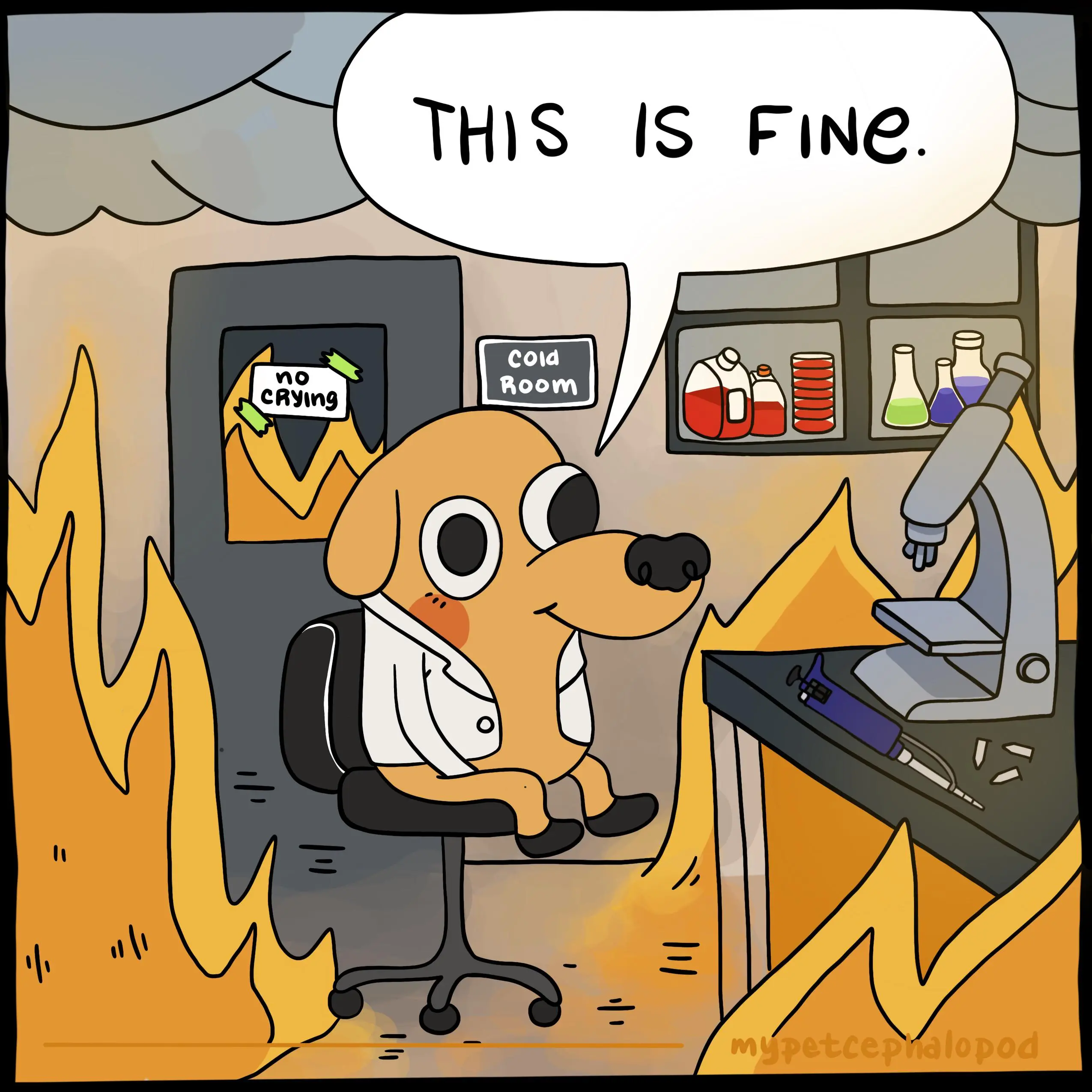
That’s true, maybe “Yet Another Discourse Alternative”? Discussion Alternative? I just like the idea of a chat platform whose acronym is YADA.